
Home Blog Page 862

Watch Awesome Kate Manner Go Full Cooking Pro in England this Week

A coffee break in the United States and elsewhere is a short mid-morning rest period granted to employees in business and industry. An afternoon coffee break, or afternoon tea, often occurs as well.

The coffee break originated in the late 19th century in Stoughton, Wisconsin, with the wives of Norwegian immigrants. The city celebrates this every year with the Stoughton Coffee Break Festival. In 1951, Time noted that

“Since the war, the coffee break has been written into union contracts”

The term subsequently became popular through a Pan-American Coffee Bureau ad campaign of 1952 which urged consumers, “Give yourself a Coffee-Break – and Get What Coffee Gives to You” John B. Watson, a behavioral psychologist who worked with Maxwell House later in his career, helped to popularize coffee breaks within the American culture.

Coffee breaks usually last from 10 to 20 minutes and frequently occur at the end of the first third of the work shift.

In some companies and some civil service, the coffee break may be observed formally at a set hour. In some places, a cart with hot and cold beverages and cakes, breads and pastries arrives at the same time morning and afternoon, an employer may contract with an outside caterer for daily service, or coffee breaks may take place away from the actual work-area in a designated cafeteria or tea room.

More generally, the phrase “coffee break” has also come to denote any break from work. Coffee was initially used for spiritual reasons. At least 1,100 years ago, traders brought coffee across the Red Sea.

At first, the Arabians made wine from the pulp of the fermented coffee berries. This beverage was known as qishr (kisher in modern usage) and was used during religious ceremonies.

Coffee drinking was prohibited by jurists and scholars meeting in Mecca in 1511, but the subject of whether it was intoxicating was hotly debated over the next 30 years until the ban was finally overturned in the mid-16th century. Use in religious rites among the Sufi branch of Islam led to coffee’s being put on trial in Mecca: it was accused of being a heretical substance, and its production and consumption were briefly repressed.

Coffee, regarded as a Muslim drink, was prohibited by Ethiopian Orthodox Christians until as late as 1889; it is now considered a national drink of Ethiopia for people of all faiths. Its early association in Europe with rebellious political activities led to Charles II outlawing coffeehouses from January 1676. Frederick the Great banned it in Prussia in 1777 for nationalistic and economic reasons.

“concerned about the price of import, he sought to force the public back to consuming beer”

Quite a number of members of the Seventh-day Adventist Church also avoid caffeinated drinks. In its teachings, the Church encourages members to avoid tea, coffee, and other stimulants.

Abstinence from coffee, tobacco, and alcohol by many Adventists has afforded a near-unique opportunity for studies to be conducted within that population group on the health effects of coffee drinking, free from confounding factors.

One study was able to show a weak but statistically significant association between coffee consumption and mortality from ischemic heart disease, other cardiovascular disease, all cardiovascular diseases combined, and all causes of death. For a time, there had been controversy in the Jewish community.

Whether the coffee seed was a legume and therefore prohibited for Passover. Upon petition from coffeemaker Maxwell House, the coffee seed was classified in 1923 as a berry rather than a seed by orthodox Jewish rabbi Hersch Kohn, and therefore kosher for Passover.

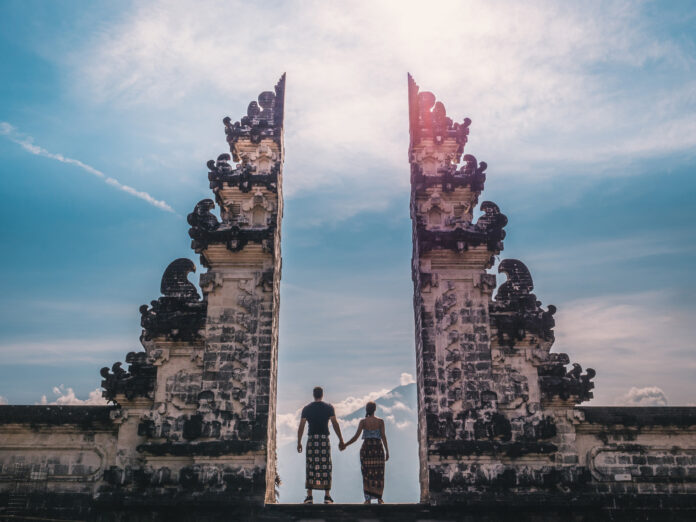
The Next Wave of Superheroes Has Arrived with Astonishing Impact

A coffee break in the United States and elsewhere is a short mid-morning rest period granted to employees in business and industry. An afternoon coffee break, or afternoon tea, often occurs as well.

The coffee break originated in the late 19th century in Stoughton, Wisconsin, with the wives of Norwegian immigrants. The city celebrates this every year with the Stoughton Coffee Break Festival. In 1951, Time noted that

“Since the war, the coffee break has been written into union contracts”

The term subsequently became popular through a Pan-American Coffee Bureau ad campaign of 1952 which urged consumers, “Give yourself a Coffee-Break – and Get What Coffee Gives to You” John B. Watson, a behavioral psychologist who worked with Maxwell House later in his career, helped to popularize coffee breaks within the American culture.

Coffee breaks usually last from 10 to 20 minutes and frequently occur at the end of the first third of the work shift.

In some companies and some civil service, the coffee break may be observed formally at a set hour. In some places, a cart with hot and cold beverages and cakes, breads and pastries arrives at the same time morning and afternoon, an employer may contract with an outside caterer for daily service, or coffee breaks may take place away from the actual work-area in a designated cafeteria or tea room.

More generally, the phrase “coffee break” has also come to denote any break from work. Coffee was initially used for spiritual reasons. At least 1,100 years ago, traders brought coffee across the Red Sea.

At first, the Arabians made wine from the pulp of the fermented coffee berries. This beverage was known as qishr (kisher in modern usage) and was used during religious ceremonies.

Coffee drinking was prohibited by jurists and scholars meeting in Mecca in 1511, but the subject of whether it was intoxicating was hotly debated over the next 30 years until the ban was finally overturned in the mid-16th century. Use in religious rites among the Sufi branch of Islam led to coffee’s being put on trial in Mecca: it was accused of being a heretical substance, and its production and consumption were briefly repressed.

Coffee, regarded as a Muslim drink, was prohibited by Ethiopian Orthodox Christians until as late as 1889; it is now considered a national drink of Ethiopia for people of all faiths. Its early association in Europe with rebellious political activities led to Charles II outlawing coffeehouses from January 1676. Frederick the Great banned it in Prussia in 1777 for nationalistic and economic reasons.

“concerned about the price of import, he sought to force the public back to consuming beer”

Quite a number of members of the Seventh-day Adventist Church also avoid caffeinated drinks. In its teachings, the Church encourages members to avoid tea, coffee, and other stimulants.

Abstinence from coffee, tobacco, and alcohol by many Adventists has afforded a near-unique opportunity for studies to be conducted within that population group on the health effects of coffee drinking, free from confounding factors.

One study was able to show a weak but statistically significant association between coffee consumption and mortality from ischemic heart disease, other cardiovascular disease, all cardiovascular diseases combined, and all causes of death. For a time, there had been controversy in the Jewish community.

Whether the coffee seed was a legume and therefore prohibited for Passover. Upon petition from coffeemaker Maxwell House, the coffee seed was classified in 1923 as a berry rather than a seed by orthodox Jewish rabbi Hersch Kohn, and therefore kosher for Passover.
The Weirdest Places Ashes Have Been Scattered in South America

A coffee break in the United States and elsewhere is a short mid-morning rest period granted to employees in business and industry. An afternoon coffee break, or afternoon tea, often occurs as well.

The coffee break originated in the late 19th century in Stoughton, Wisconsin, with the wives of Norwegian immigrants. The city celebrates this every year with the Stoughton Coffee Break Festival. In 1951, Time noted that

“Since the war, the coffee break has been written into union contracts”

The term subsequently became popular through a Pan-American Coffee Bureau ad campaign of 1952 which urged consumers, “Give yourself a Coffee-Break – and Get What Coffee Gives to You” John B. Watson, a behavioral psychologist who worked with Maxwell House later in his career, helped to popularize coffee breaks within the American culture.

Coffee breaks usually last from 10 to 20 minutes and frequently occur at the end of the first third of the work shift.

In some companies and some civil service, the coffee break may be observed formally at a set hour. In some places, a cart with hot and cold beverages and cakes, breads and pastries arrives at the same time morning and afternoon, an employer may contract with an outside caterer for daily service, or coffee breaks may take place away from the actual work-area in a designated cafeteria or tea room.

More generally, the phrase “coffee break” has also come to denote any break from work. Coffee was initially used for spiritual reasons. At least 1,100 years ago, traders brought coffee across the Red Sea.

At first, the Arabians made wine from the pulp of the fermented coffee berries. This beverage was known as qishr (kisher in modern usage) and was used during religious ceremonies.

Coffee drinking was prohibited by jurists and scholars meeting in Mecca in 1511, but the subject of whether it was intoxicating was hotly debated over the next 30 years until the ban was finally overturned in the mid-16th century. Use in religious rites among the Sufi branch of Islam led to coffee’s being put on trial in Mecca: it was accused of being a heretical substance, and its production and consumption were briefly repressed.

Coffee, regarded as a Muslim drink, was prohibited by Ethiopian Orthodox Christians until as late as 1889; it is now considered a national drink of Ethiopia for people of all faiths. Its early association in Europe with rebellious political activities led to Charles II outlawing coffeehouses from January 1676. Frederick the Great banned it in Prussia in 1777 for nationalistic and economic reasons.

“concerned about the price of import, he sought to force the public back to consuming beer”

Quite a number of members of the Seventh-day Adventist Church also avoid caffeinated drinks. In its teachings, the Church encourages members to avoid tea, coffee, and other stimulants.

Abstinence from coffee, tobacco, and alcohol by many Adventists has afforded a near-unique opportunity for studies to be conducted within that population group on the health effects of coffee drinking, free from confounding factors.

One study was able to show a weak but statistically significant association between coffee consumption and mortality from ischemic heart disease, other cardiovascular disease, all cardiovascular diseases combined, and all causes of death. For a time, there had been controversy in the Jewish community.

Whether the coffee seed was a legume and therefore prohibited for Passover. Upon petition from coffeemaker Maxwell House, the coffee seed was classified in 1923 as a berry rather than a seed by orthodox Jewish rabbi Hersch Kohn, and therefore kosher for Passover.

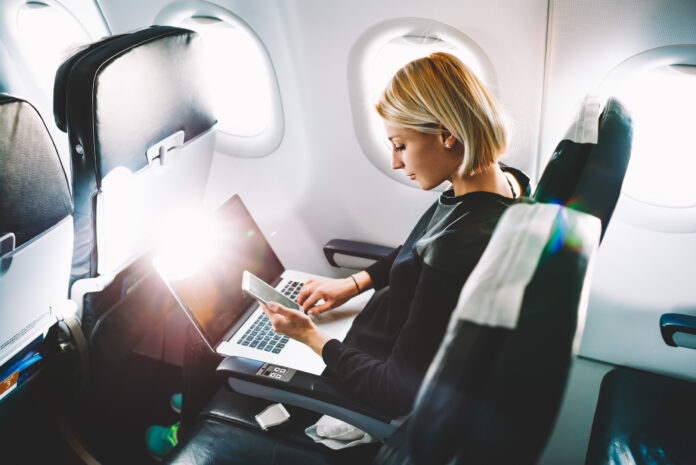
The Travel Insurance Catch that can Double Your Cover in Two Months

A coffee break in the United States and elsewhere is a short mid-morning rest period granted to employees in business and industry. An afternoon coffee break, or afternoon tea, often occurs as well.

The coffee break originated in the late 19th century in Stoughton, Wisconsin, with the wives of Norwegian immigrants. The city celebrates this every year with the Stoughton Coffee Break Festival. In 1951, Time noted that

“Since the war, the coffee break has been written into union contracts”

The term subsequently became popular through a Pan-American Coffee Bureau ad campaign of 1952 which urged consumers, “Give yourself a Coffee-Break – and Get What Coffee Gives to You” John B. Watson, a behavioral psychologist who worked with Maxwell House later in his career, helped to popularize coffee breaks within the American culture.

Coffee breaks usually last from 10 to 20 minutes and frequently occur at the end of the first third of the work shift.

In some companies and some civil service, the coffee break may be observed formally at a set hour. In some places, a cart with hot and cold beverages and cakes, breads and pastries arrives at the same time morning and afternoon, an employer may contract with an outside caterer for daily service, or coffee breaks may take place away from the actual work-area in a designated cafeteria or tea room.

More generally, the phrase “coffee break” has also come to denote any break from work. Coffee was initially used for spiritual reasons. At least 1,100 years ago, traders brought coffee across the Red Sea.

At first, the Arabians made wine from the pulp of the fermented coffee berries. This beverage was known as qishr (kisher in modern usage) and was used during religious ceremonies.

Coffee drinking was prohibited by jurists and scholars meeting in Mecca in 1511, but the subject of whether it was intoxicating was hotly debated over the next 30 years until the ban was finally overturned in the mid-16th century. Use in religious rites among the Sufi branch of Islam led to coffee’s being put on trial in Mecca: it was accused of being a heretical substance, and its production and consumption were briefly repressed.

Coffee, regarded as a Muslim drink, was prohibited by Ethiopian Orthodox Christians until as late as 1889; it is now considered a national drink of Ethiopia for people of all faiths. Its early association in Europe with rebellious political activities led to Charles II outlawing coffeehouses from January 1676. Frederick the Great banned it in Prussia in 1777 for nationalistic and economic reasons.

“concerned about the price of import, he sought to force the public back to consuming beer”

Quite a number of members of the Seventh-day Adventist Church also avoid caffeinated drinks. In its teachings, the Church encourages members to avoid tea, coffee, and other stimulants.

Abstinence from coffee, tobacco, and alcohol by many Adventists has afforded a near-unique opportunity for studies to be conducted within that population group on the health effects of coffee drinking, free from confounding factors.

One study was able to show a weak but statistically significant association between coffee consumption and mortality from ischemic heart disease, other cardiovascular disease, all cardiovascular diseases combined, and all causes of death. For a time, there had been controversy in the Jewish community.

Whether the coffee seed was a legume and therefore prohibited for Passover. Upon petition from coffeemaker Maxwell House, the coffee seed was classified in 1923 as a berry rather than a seed by orthodox Jewish rabbi Hersch Kohn, and therefore kosher for Passover.

Best Places to Get Your Mexican Food Fix When You Visit Mexico City

A coffee break in the United States and elsewhere is a short mid-morning rest period granted to employees in business and industry. An afternoon coffee break, or afternoon tea, often occurs as well.

The coffee break originated in the late 19th century in Stoughton, Wisconsin, with the wives of Norwegian immigrants. The city celebrates this every year with the Stoughton Coffee Break Festival. In 1951, Time noted that

“Since the war, the coffee break has been written into union contracts”

The term subsequently became popular through a Pan-American Coffee Bureau ad campaign of 1952 which urged consumers, “Give yourself a Coffee-Break – and Get What Coffee Gives to You” John B. Watson, a behavioral psychologist who worked with Maxwell House later in his career, helped to popularize coffee breaks within the American culture.

Coffee breaks usually last from 10 to 20 minutes and frequently occur at the end of the first third of the work shift.

In some companies and some civil service, the coffee break may be observed formally at a set hour. In some places, a cart with hot and cold beverages and cakes, breads and pastries arrives at the same time morning and afternoon, an employer may contract with an outside caterer for daily service, or coffee breaks may take place away from the actual work-area in a designated cafeteria or tea room.

More generally, the phrase “coffee break” has also come to denote any break from work. Coffee was initially used for spiritual reasons. At least 1,100 years ago, traders brought coffee across the Red Sea.

At first, the Arabians made wine from the pulp of the fermented coffee berries. This beverage was known as qishr (kisher in modern usage) and was used during religious ceremonies.

Coffee drinking was prohibited by jurists and scholars meeting in Mecca in 1511, but the subject of whether it was intoxicating was hotly debated over the next 30 years until the ban was finally overturned in the mid-16th century. Use in religious rites among the Sufi branch of Islam led to coffee’s being put on trial in Mecca: it was accused of being a heretical substance, and its production and consumption were briefly repressed.

Coffee, regarded as a Muslim drink, was prohibited by Ethiopian Orthodox Christians until as late as 1889; it is now considered a national drink of Ethiopia for people of all faiths. Its early association in Europe with rebellious political activities led to Charles II outlawing coffeehouses from January 1676. Frederick the Great banned it in Prussia in 1777 for nationalistic and economic reasons.

“concerned about the price of import, he sought to force the public back to consuming beer”

Quite a number of members of the Seventh-day Adventist Church also avoid caffeinated drinks. In its teachings, the Church encourages members to avoid tea, coffee, and other stimulants.

Abstinence from coffee, tobacco, and alcohol by many Adventists has afforded a near-unique opportunity for studies to be conducted within that population group on the health effects of coffee drinking, free from confounding factors.

One study was able to show a weak but statistically significant association between coffee consumption and mortality from ischemic heart disease, other cardiovascular disease, all cardiovascular diseases combined, and all causes of death. For a time, there had been controversy in the Jewish community.

Whether the coffee seed was a legume and therefore prohibited for Passover. Upon petition from coffeemaker Maxwell House, the coffee seed was classified in 1923 as a berry rather than a seed by orthodox Jewish rabbi Hersch Kohn, and therefore kosher for Passover.

The Most Popular Celebrity Name List of the Millennium is Here

A coffee break in the United States and elsewhere is a short mid-morning rest period granted to employees in business and industry. An afternoon coffee break, or afternoon tea, often occurs as well.

The coffee break originated in the late 19th century in Stoughton, Wisconsin, with the wives of Norwegian immigrants. The city celebrates this every year with the Stoughton Coffee Break Festival. In 1951, Time noted that

“Since the war, the coffee break has been written into union contracts”

The term subsequently became popular through a Pan-American Coffee Bureau ad campaign of 1952 which urged consumers, “Give yourself a Coffee-Break – and Get What Coffee Gives to You” John B. Watson, a behavioral psychologist who worked with Maxwell House later in his career, helped to popularize coffee breaks within the American culture.

Coffee breaks usually last from 10 to 20 minutes and frequently occur at the end of the first third of the work shift.

In some companies and some civil service, the coffee break may be observed formally at a set hour. In some places, a cart with hot and cold beverages and cakes, breads and pastries arrives at the same time morning and afternoon, an employer may contract with an outside caterer for daily service, or coffee breaks may take place away from the actual work-area in a designated cafeteria or tea room.

More generally, the phrase “coffee break” has also come to denote any break from work. Coffee was initially used for spiritual reasons. At least 1,100 years ago, traders brought coffee across the Red Sea.

At first, the Arabians made wine from the pulp of the fermented coffee berries. This beverage was known as qishr (kisher in modern usage) and was used during religious ceremonies.

Coffee drinking was prohibited by jurists and scholars meeting in Mecca in 1511, but the subject of whether it was intoxicating was hotly debated over the next 30 years until the ban was finally overturned in the mid-16th century. Use in religious rites among the Sufi branch of Islam led to coffee’s being put on trial in Mecca: it was accused of being a heretical substance, and its production and consumption were briefly repressed.

Coffee, regarded as a Muslim drink, was prohibited by Ethiopian Orthodox Christians until as late as 1889; it is now considered a national drink of Ethiopia for people of all faiths. Its early association in Europe with rebellious political activities led to Charles II outlawing coffeehouses from January 1676. Frederick the Great banned it in Prussia in 1777 for nationalistic and economic reasons.

“concerned about the price of import, he sought to force the public back to consuming beer”

Quite a number of members of the Seventh-day Adventist Church also avoid caffeinated drinks. In its teachings, the Church encourages members to avoid tea, coffee, and other stimulants.

Abstinence from coffee, tobacco, and alcohol by many Adventists has afforded a near-unique opportunity for studies to be conducted within that population group on the health effects of coffee drinking, free from confounding factors.

One study was able to show a weak but statistically significant association between coffee consumption and mortality from ischemic heart disease, other cardiovascular disease, all cardiovascular diseases combined, and all causes of death. For a time, there had been controversy in the Jewish community.

Whether the coffee seed was a legume and therefore prohibited for Passover. Upon petition from coffeemaker Maxwell House, the coffee seed was classified in 1923 as a berry rather than a seed by orthodox Jewish rabbi Hersch Kohn, and therefore kosher for Passover.

Social Media Marketing for Franchises is Meant for Women

A coffee break in the United States and elsewhere is a short mid-morning rest period granted to employees in business and industry. An afternoon coffee break, or afternoon tea, often occurs as well.

The coffee break originated in the late 19th century in Stoughton, Wisconsin, with the wives of Norwegian immigrants. The city celebrates this every year with the Stoughton Coffee Break Festival. In 1951, Time noted that

“Since the war, the coffee break has been written into union contracts”

The term subsequently became popular through a Pan-American Coffee Bureau ad campaign of 1952 which urged consumers, “Give yourself a Coffee-Break – and Get What Coffee Gives to You” John B. Watson, a behavioral psychologist who worked with Maxwell House later in his career, helped to popularize coffee breaks within the American culture.

Coffee breaks usually last from 10 to 20 minutes and frequently occur at the end of the first third of the work shift.

In some companies and some civil service, the coffee break may be observed formally at a set hour. In some places, a cart with hot and cold beverages and cakes, breads and pastries arrives at the same time morning and afternoon, an employer may contract with an outside caterer for daily service, or coffee breaks may take place away from the actual work-area in a designated cafeteria or tea room.

More generally, the phrase “coffee break” has also come to denote any break from work. Coffee was initially used for spiritual reasons. At least 1,100 years ago, traders brought coffee across the Red Sea.

At first, the Arabians made wine from the pulp of the fermented coffee berries. This beverage was known as qishr (kisher in modern usage) and was used during religious ceremonies.

Coffee drinking was prohibited by jurists and scholars meeting in Mecca in 1511, but the subject of whether it was intoxicating was hotly debated over the next 30 years until the ban was finally overturned in the mid-16th century. Use in religious rites among the Sufi branch of Islam led to coffee’s being put on trial in Mecca: it was accused of being a heretical substance, and its production and consumption were briefly repressed.

Coffee, regarded as a Muslim drink, was prohibited by Ethiopian Orthodox Christians until as late as 1889; it is now considered a national drink of Ethiopia for people of all faiths. Its early association in Europe with rebellious political activities led to Charles II outlawing coffeehouses from January 1676. Frederick the Great banned it in Prussia in 1777 for nationalistic and economic reasons.

“concerned about the price of import, he sought to force the public back to consuming beer”

Quite a number of members of the Seventh-day Adventist Church also avoid caffeinated drinks. In its teachings, the Church encourages members to avoid tea, coffee, and other stimulants.

Abstinence from coffee, tobacco, and alcohol by many Adventists has afforded a near-unique opportunity for studies to be conducted within that population group on the health effects of coffee drinking, free from confounding factors.

One study was able to show a weak but statistically significant association between coffee consumption and mortality from ischemic heart disease, other cardiovascular disease, all cardiovascular diseases combined, and all causes of death. For a time, there had been controversy in the Jewish community.

Whether the coffee seed was a legume and therefore prohibited for Passover. Upon petition from coffeemaker Maxwell House, the coffee seed was classified in 1923 as a berry rather than a seed by orthodox Jewish rabbi Hersch Kohn, and therefore kosher for Passover.

Mobile Marketing is Said to Be the Future of E-Commerce

A coffee break in the United States and elsewhere is a short mid-morning rest period granted to employees in business and industry. An afternoon coffee break, or afternoon tea, often occurs as well.

The coffee break originated in the late 19th century in Stoughton, Wisconsin, with the wives of Norwegian immigrants. The city celebrates this every year with the Stoughton Coffee Break Festival. In 1951, Time noted that

“Since the war, the coffee break has been written into union contracts”

The term subsequently became popular through a Pan-American Coffee Bureau ad campaign of 1952 which urged consumers, “Give yourself a Coffee-Break – and Get What Coffee Gives to You” John B. Watson, a behavioral psychologist who worked with Maxwell House later in his career, helped to popularize coffee breaks within the American culture.

Coffee breaks usually last from 10 to 20 minutes and frequently occur at the end of the first third of the work shift.

In some companies and some civil service, the coffee break may be observed formally at a set hour. In some places, a cart with hot and cold beverages and cakes, breads and pastries arrives at the same time morning and afternoon, an employer may contract with an outside caterer for daily service, or coffee breaks may take place away from the actual work-area in a designated cafeteria or tea room.

More generally, the phrase “coffee break” has also come to denote any break from work. Coffee was initially used for spiritual reasons. At least 1,100 years ago, traders brought coffee across the Red Sea.

At first, the Arabians made wine from the pulp of the fermented coffee berries. This beverage was known as qishr (kisher in modern usage) and was used during religious ceremonies.

Coffee drinking was prohibited by jurists and scholars meeting in Mecca in 1511, but the subject of whether it was intoxicating was hotly debated over the next 30 years until the ban was finally overturned in the mid-16th century. Use in religious rites among the Sufi branch of Islam led to coffee’s being put on trial in Mecca: it was accused of being a heretical substance, and its production and consumption were briefly repressed.

Coffee, regarded as a Muslim drink, was prohibited by Ethiopian Orthodox Christians until as late as 1889; it is now considered a national drink of Ethiopia for people of all faiths. Its early association in Europe with rebellious political activities led to Charles II outlawing coffeehouses from January 1676. Frederick the Great banned it in Prussia in 1777 for nationalistic and economic reasons.

“concerned about the price of import, he sought to force the public back to consuming beer”

Quite a number of members of the Seventh-day Adventist Church also avoid caffeinated drinks. In its teachings, the Church encourages members to avoid tea, coffee, and other stimulants.

Abstinence from coffee, tobacco, and alcohol by many Adventists has afforded a near-unique opportunity for studies to be conducted within that population group on the health effects of coffee drinking, free from confounding factors.

One study was able to show a weak but statistically significant association between coffee consumption and mortality from ischemic heart disease, other cardiovascular disease, all cardiovascular diseases combined, and all causes of death. For a time, there had been controversy in the Jewish community.

Whether the coffee seed was a legume and therefore prohibited for Passover. Upon petition from coffeemaker Maxwell House, the coffee seed was classified in 1923 as a berry rather than a seed by orthodox Jewish rabbi Hersch Kohn, and therefore kosher for Passover.

Now Is the Time to Think About Your Small-Business Success

A coffee break in the United States and elsewhere is a short mid-morning rest period granted to employees in business and industry. An afternoon coffee break, or afternoon tea, often occurs as well.

The coffee break originated in the late 19th century in Stoughton, Wisconsin, with the wives of Norwegian immigrants. The city celebrates this every year with the Stoughton Coffee Break Festival. In 1951, Time noted that

“Since the war, the coffee break has been written into union contracts”

The term subsequently became popular through a Pan-American Coffee Bureau ad campaign of 1952 which urged consumers, “Give yourself a Coffee-Break – and Get What Coffee Gives to You” John B. Watson, a behavioral psychologist who worked with Maxwell House later in his career, helped to popularize coffee breaks within the American culture.

Coffee breaks usually last from 10 to 20 minutes and frequently occur at the end of the first third of the work shift.

In some companies and some civil service, the coffee break may be observed formally at a set hour. In some places, a cart with hot and cold beverages and cakes, breads and pastries arrives at the same time morning and afternoon, an employer may contract with an outside caterer for daily service, or coffee breaks may take place away from the actual work-area in a designated cafeteria or tea room.

More generally, the phrase “coffee break” has also come to denote any break from work. Coffee was initially used for spiritual reasons. At least 1,100 years ago, traders brought coffee across the Red Sea.

At first, the Arabians made wine from the pulp of the fermented coffee berries. This beverage was known as qishr (kisher in modern usage) and was used during religious ceremonies.

Coffee drinking was prohibited by jurists and scholars meeting in Mecca in 1511, but the subject of whether it was intoxicating was hotly debated over the next 30 years until the ban was finally overturned in the mid-16th century. Use in religious rites among the Sufi branch of Islam led to coffee’s being put on trial in Mecca: it was accused of being a heretical substance, and its production and consumption were briefly repressed.

Coffee, regarded as a Muslim drink, was prohibited by Ethiopian Orthodox Christians until as late as 1889; it is now considered a national drink of Ethiopia for people of all faiths. Its early association in Europe with rebellious political activities led to Charles II outlawing coffeehouses from January 1676. Frederick the Great banned it in Prussia in 1777 for nationalistic and economic reasons.

“concerned about the price of import, he sought to force the public back to consuming beer”

Quite a number of members of the Seventh-day Adventist Church also avoid caffeinated drinks. In its teachings, the Church encourages members to avoid tea, coffee, and other stimulants.

Abstinence from coffee, tobacco, and alcohol by many Adventists has afforded a near-unique opportunity for studies to be conducted within that population group on the health effects of coffee drinking, free from confounding factors.

One study was able to show a weak but statistically significant association between coffee consumption and mortality from ischemic heart disease, other cardiovascular disease, all cardiovascular diseases combined, and all causes of death. For a time, there had been controversy in the Jewish community.

Whether the coffee seed was a legume and therefore prohibited for Passover. Upon petition from coffeemaker Maxwell House, the coffee seed was classified in 1923 as a berry rather than a seed by orthodox Jewish rabbi Hersch Kohn, and therefore kosher for Passover.

PlayMatch To Inspire and Motivate YourSelf

soccer

There are many variations of passages of Lorem Ipsum available, but the majority have suffered alteration in some form, by injected humour, or randomised words.It is a long established fact that a reader will be distracted by the readable content of a page when looking at its layout. The point of using Lorem Ipsum is that it has a more-or-less normal distribution of letters, as opposed to using ‘Content here, content here’, making it look like readable English. Many desktop publishing packages and web page editors now use Lorem Ipsum as their default model text, and a search for ‘lorem ipsum’ will uncover many web sites still in their infancy. Various versions have evolved over the years, sometimes by accident, sometimes on purpose (injected humour and the like).

But I must explain to you how all this mistaken idea of denouncing pleasure and praising pain was born and I will give you a complete account of the system, and expound the actual teachings of the great explorer of the truth, the master-builder of human happiness. No one rejects, dislikes, or avoids pleasure itself, because it is pleasure, but because those who do not know how to pursue pleasure rationally encounter consequences that are extremely painful. Nor again is there anyone who loves or pursues or desires to obtain pain of itself, because it is pain, but because occasionally circumstances occur in which toil and pain can procure him some great pleasure. To take a trivial example, which of us ever undertakes laborious physical exercise, except to obtain some advantage from it? But who has any right to find fault with a man who chooses to enjoy a pleasure that has no annoying consequences, or one who avoids a pain that produces no resultant pleasure.

Powerplay

Lorem Ipsum is simply dummy text of the printing and typesetting industry. Lorem Ipsum has been the industry’s standard dummy text ever since the 1500s, when an unknown printer took a galley of type and scrambled it to make a type specimen book. It has survived not only five centuries, but also the leap into electronic typesetting, remaining essentially unchanged. It was popularised in the 1960s with the release of Letraset sheets containing Lorem Ipsum passages, and more recently with desktop publishing software like Aldus PageMaker including versions of Lorem Ipsum. Contrary to popular belief, Lorem Ipsum is not simply random text. It has roots in a piece of classical Latin literature from 45 BC, making it over 2000 years old. Richard McClintock, a Latin professor at Hampden-Sydney College in Virginia, looked up one of the more obscure Latin words, consectetur, from a Lorem Ipsum passage, and going through the cites of the word in classical literature, discovered the undoubtable source.